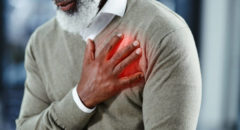
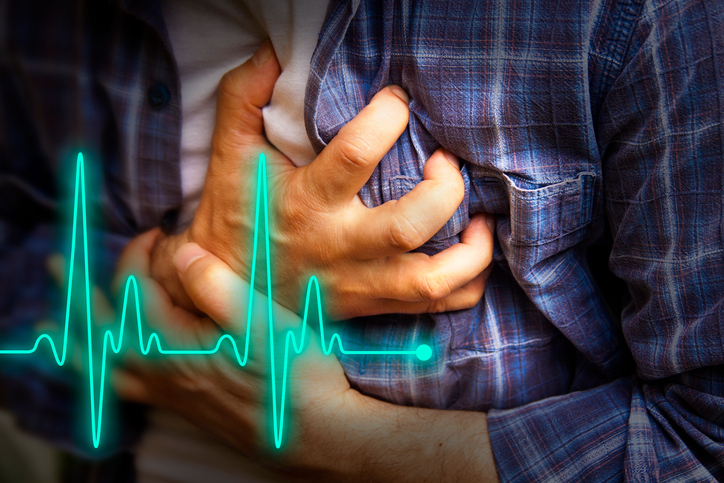
Heart attacks are scary, period. They are scary for those who are having one and scary for those who are watching. Of course, eating right and exercise helps diminish your heart attack risk, but do you know what to do if and when one strikes?
Heart Attack Symptoms in Women
If you think you’re having a heart attack. For women, symptoms are often easily ignored. These can include:
– Pressure, tightness and squeezing pain across the chest
– Pain radiating down one or both arms or shoulders
– Pain or soreness in the jaw, neck, or back
– Shortness of breath
– Dizziness, lightheadedness, sweating or weakness
– Overwhelming fatigue – 70% of women felt fatigued in days or weeks prior to their heart attacks
– The feeling of impending doom
– Headache, blurry vision, lightheadedness or feeling faint
– Gastrointestinal symptoms such as indigestion, nausea, and vomiting
– Coughing and palpitations
Heart Attack Symptoms in Men
Most Common Symptoms
-
Chest pain or discomfort
You May Also Like
-
Feels like pressure, squeezing, fullness, or pain in the center or left side of the chest.
-
Can last more than a few minutes or come and go.
-
-
Upper body pain
You May Also Like
-
Pain or discomfort in one or both arms, the back, neck, jaw, or stomach.
-
-
Shortness of breath
-
May occur with or without chest discomfort.
-
Often described as feeling like you can’t catch your breath.
-
-
Cold sweat
-
Sudden, clammy perspiration that feels unusual or out of context (not from heat or exertion).
-
-
Nausea or vomiting
-
Some men experience indigestion-like discomfort or may actually vomit.
-
-
Lightheadedness or dizziness
-
Feeling faint or weak, often combined with chest discomfort.
-

Less Common (but still possible) Symptoms
-
Unusual fatigue or weakness
-
Heart palpitations (irregular or fast heartbeat)
-
A sense of impending doom or anxiety
Men are more likely than women to experience the “classic” heart attack symptom — chest pain — but they may also overlook subtle signs or mistake them for indigestion, muscle strain, or stress.
3 Ingredients That Help Stop a Heart Attack
Here are three things you need to keep on hand to fight a heart attack.
I. Aspirin
Always keep a bottle of aspirin in your bathroom medicine cabinet. If you think you’re having a heart attack, take one 325mg tablet of adult aspirin. Chew it — don’t just swallow it. It allows for the aspirin to get into your bloodstream faster and slow the heart attack down.
YOU MAY ALSO LIKE: Nurse Has A Heart Attack And Remembers Every Detail
II. Cayenne Pepper
Cayenne pepper is a powerful stimulant; it increases heart rate and carries blood to all parts of the body, balancing circulation. Cayenne pepper has hemostatic effect, stops bleeding instantly, and helps in heart attack recovery.
If you have cayenne pepper at home, give the person having a heart attack a teaspoon of cayenne pepper in a glass of water. The patient has to be conscious for this to work.
If the person is unconscious, you can use cayenne pepper extract. Put a few drops under patient’s tongue for results.
III. Cellphone
Finally, after the aspirin, you’ll need to get help and go to a hospital immediately. That’s why I want you to keep your cellphone with you in the bathroom. You can purchase a cheap cellphone mount and put it on your wall. The best place to put it is on the side of a bathroom cabinet or low on the wall near your toilet.
Extra Tip: To further decrease your risk of a heart attack, you should also keep vitamin D in your medicine cabinet. Many of us are vitamin D deficient, and new research on supplements and heart disease suggests promising results from taking vitamin D to prevent heart disease. Vitamin D can help regulate blood pressure, inflammation and blood sugar.
You need to take 1000 IUs of vitamin D every morning.
How to Lower Your Risk of Heart Attack
1. Manage Key Health Numbers
Blood pressure: Keep it below 120/80 mm Hg if possible.
Cholesterol: Aim for LDL (“bad”) below 100 mg/dL and HDL (“good”) above 40 mg/dL (men).
Blood sugar: Maintain fasting glucose below 100 mg/dL to prevent diabetes-related heart risks.
Weight: Keep your BMI between 18.5–24.9 or maintain a waist size under 40 inches (men).
2. Eat a Heart-Healthy Diet
Choose foods that keep arteries clear and lower cholesterol:
Eat plenty of: Fruits, vegetables, whole grains, beans, and nuts.
Choose healthy fats: Olive oil, avocados, and omega-3–rich fish like salmon or mackerel.
Limit or avoid:
Processed meats (bacon, sausage)
Fried or fast foods
Refined carbs and sugary drinks
Excess salt and trans fats
Mediterranean or DASH diets are proven to reduce heart attack risk.
3. Stay Physically Active
Aim for at least 150 minutes of moderate aerobic activity (like brisk walking or cycling) per week.
Add muscle-strengthening exercises at least 2 days per week.
Even small increases in activity—like taking stairs—can improve heart function.
4. Quit Smoking
Smoking damages blood vessels and lowers oxygen in the blood.
Within one year of quitting, heart disease risk drops by 50%.
Avoid secondhand smoke as well.
5. Drink Alcohol Wisely (or Not at All)
If you drink, limit to no more than 2 drinks per day for men.
Red wine in moderation may help raise HDL, but overdrinking increases blood pressure and heart failure risk.
6. Manage Stress
Chronic stress can raise cortisol, blood pressure, and heart rate.
Try:
Deep breathing or meditation
Regular exercise
Quality sleep (7–9 hours per night)
Connecting with supportive friends or family
7. Take Preventive Medications (If Prescribed)
If you have high cholesterol, high blood pressure, or diabetes, take medications consistently as prescribed.
For high-risk individuals, doctors may also recommend:
Aspirin therapy (low-dose), but only under medical supervision.
8. Get Regular Screenings
Annual checkups can catch silent risk factors early.
Ask your doctor about:
Cholesterol panels
Blood sugar or A1C tests
EKG or stress tests (if symptoms or family history exist)