

Fish can be a great addition to your diet because of its beneficial nutrients like lean protein, omega-3 fatty acids, and choline. However, mercury contamination is a huge concern when it comes to fish. According to the Food and Drug Administration (FDA), most types of fish contain some amount of mercury, but there are specific kinds that have high enough levels that it might be best for you to avoid them entirely.
10 Types of Fish to Avoid
1. King Mackerel
These large fish have a long lifespan and feed on smaller fish. This gives them time to accumulate the high levels of mercury that put them at the top of this list. While some people like to eat King mackerel because of its rich, oily flavor, it’s a better idea to opt for Atlantic mackerel. This type of mackerel is smaller and has a lower level of mercury while having a similar flavor.

You May Also Like

2. Swordfish
This type of fish is known for its bold flavor, which makes it a regular choice for grilling or broiling. If you eat swordfish regularly, though, you may be consuming far more mercury than is good for your health. Swordfish are large apex predators that feed on smaller fish, so it’s easy for them to have high mercury levels. Mahi mahi or wild-caught salmon are better substitutes.

3. Shark
It’s true that a lot of people don’t eat shark meat, but it’s still available on enough menus to cause concern. As with the other fish above, sharks live for a long time and have a diet that consists of other fish. As a result, they are likely to be high in mercury. One good alternative to shark meat is Pacific halibut.
You May Also Like


4. Tilefish
If you’re eating tilefish from the Gulf of Mexico, you may be putting your health at risk. That’s because these are deep-sea fish that live for a long time and eat smaller fish that have absorbed high levels of mercury. Your best bet is to opt for catfish or tilapia that’s been raised responsibly.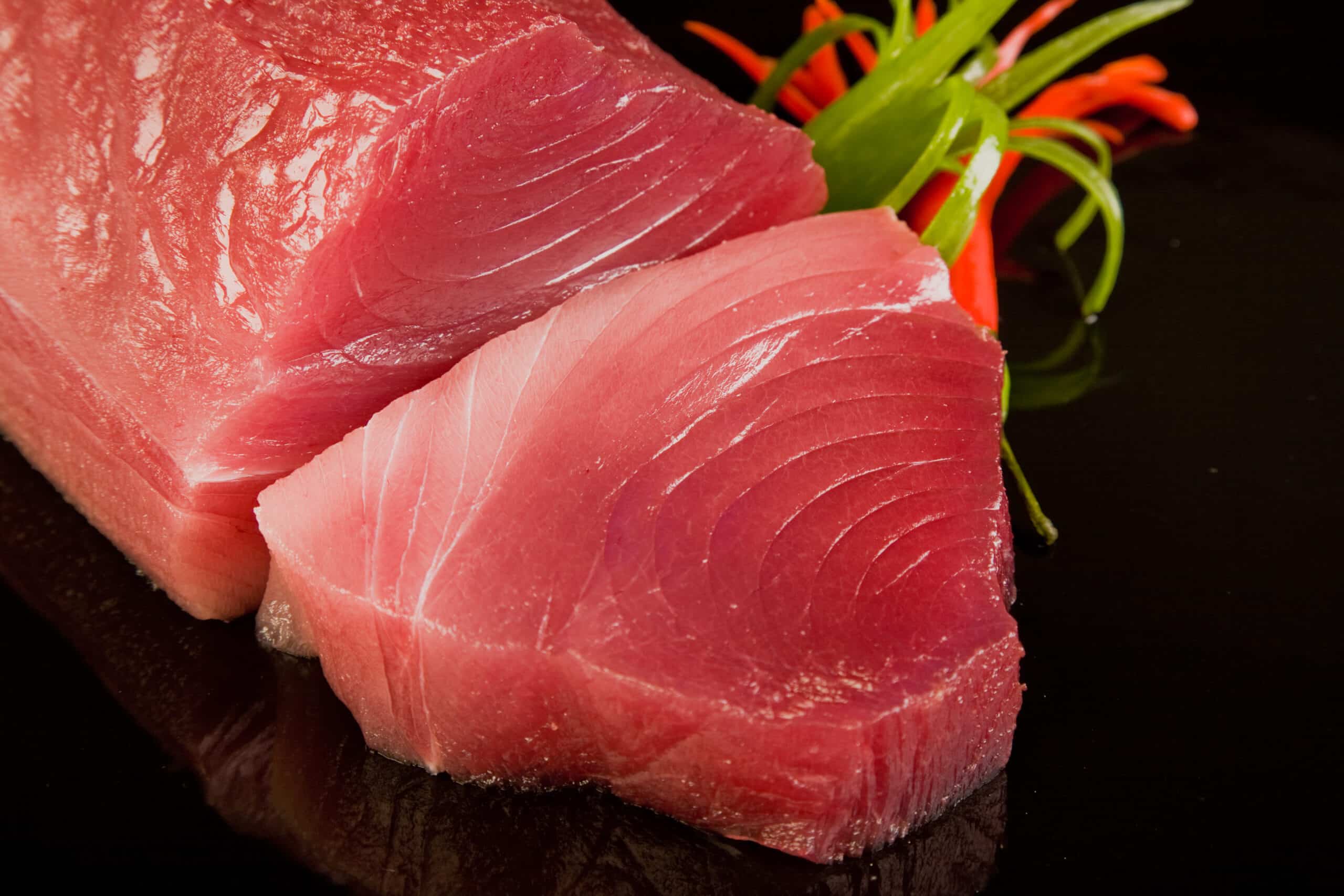
5. Tuna
Tuna can be a tricky fish to navigate because some types have concerning levels of mercury, while others are fine to consume. In this case, you should avoid bigeye and bluefin tuna. Canned and yellowfin tuna can be great alternatives if you’d still like to enjoy some tuna. For a different type of fish altogether, try Wild Alaskan salmon.

6. Orange Roughy
This fish can be popular because it has a mild flavor and offers versatility when it comes to preparation. Unfortunately, it also lives for up to 150 years and can amass an alarming of mercury. If you’re looking for a similar taste and texture, the experts suggest reaching for Arctic char or trout that has been farmed in the US.

7. Marlin
Though marlin is often used in sashimi and for grilled dishes, you’ll be exposed to high levels of mercury if you eat it. This fish is a predator and generally has such high mercury content that even eating small to moderate portions may be bad for you. A safer substitute for marlin is striped bass or barramundi that’s been farmed in the US.

8. Bluefish
Bluefish is another type of fish that is high on the food chain and so eats a lot of smaller fish. While it has a bold, oily flavor that many people like, it can also introduce a lot of mercury into your diet. To keep the flavor and avoid the high mercury content, you should try sardines or Atlantic mackerel.

9. Sablefish
This fish often makes its way onto many upscale menus because of its buttery flavor and rich texture. While it doesn’t have the highest mercury content out there, there’s enough for you to be cautious. You may enjoy it occasionally, but it’s better to switch it out for something safer, like Pacific cod or Atlantic mackerel.

10. Grouper
When it comes to this kind of fish, it’s the larger varieties that you should be concerned about. However, it’s not always possible to know which one you’re getting, as it can be used in small portions, like with tacos. To be safe, it’s best to eat Pacific halibut or catfish that has been farmed in the US.
The Fish You Should Eat
When analyzing the average levels of mercury in fish, the FDA created a list of fish that have the lowest levels of mercury. This list was further divided into those that are the best choices and those that are good choices. Generally, you can have two to three servings per week of the fish that are on the ‘best choices’ list, but only one to two servings of the ones that are on the ‘good choices’ list. For reference, a serving for a non-breastfeeding adult is three ounces of cooked fish.
However, if you’re pregnant or breastfeeding, doctors usually recommend a slightly higher serving of four ounces. This recommendation is based on the fact that fish usually contains choline that supports the development of a baby’s spinal cord. It can also contain iron and zinc, which can build a baby’s immune system.
The recommended servings for children are even smaller. Those from one to three should only get an ounce of fish per serving, while children from four to seven can eat double that amount. Children from eight to 10 should get three ounce servings, and those who are 11 and older can receive three to four servings of fish as they approach adulthood.
If you’re looking for fish on the ‘best choices’ list, you have a wide range to choose from. The list includes anchovy, Atlantic croaker, Black sea bass, butterfish, catfish, cod, flounder, haddock, hake, herring, mullet, perch, pickerel, pollock, salmon, sardine, skate, smelt, sole, tilapia, freshwater trout, canned tuna, and whitefish.
The ‘good choices’ list is a little smaller, but you may find fish on it that are more accessible depending on where you live or the time of year. Some of the fish you can eat once or twice per week are buffalo fish, carp, Chilean sea bass, halibut, Mahi Mahi, monkfish, rockfish, snapper, Spanish mackerel, striped bass from the ocean, yellowfin tuna, albacore tuna, sea trout, and white croaker.
Of course, these are guidelines based on the FDA’s survey of mercury levels, so it’s also a good idea to check if your state has different regulations for fish that are caught locally. This information can usually be found on local government websites.
RELATED: Fish Oil Supplements: The ‘Live Longer’ Pill?
Signs of Mercury Poisoning
The symptoms of mercury poisoning can vary from one person to another. It may also take a while for them to appear if you’re ingesting small quantities at a time. However, since mercury will build up in the body, you may start to see symptoms when it has gotten to an appreciable level.
When it comes to food, the type of mercury you’re most likely to be exposed to is methylmercury. If this builds up in your body, you may experience muscle weakness, loss of peripheral vision, tingling in your arms and legs, trouble speaking or hearing, lack of coordination in your movements, and problems with walking.
Though most people have low levels of methylmercury in their blood because of the prevalence of mercury in the environment, you can ask your doctor about being tested if you have any concerns.
While it may be common for some types of fish to be contaminated with mercury, the risk isn’t the same for all of them. It’s best to stick to the ones that are known to have lower levels of mercury and only eat the suggested servings. If you have any concerns about mercury poisoning, it’s a good idea to talk to your doctor.