

It’s a new year, but many people are feeling far from refreshed. You’re supposed to be stepping into the new year with a renewed mindset, and yet, you’re wondering why you already feel so tired. According to mental health experts, it could be burnout. While it might sound impossible to be already burnt out when not even a month has passed, it’s an issue that a growing number of people deal with every year.
Why the New Year and Burnout go Hand in Hand
For most people, stepping into a new year means embarking on new resolutions. There’s an inherent societal pressure for these resolutions to be life-changing and geared towards growth. You’ll hear a lot of talk around ‘getting started now’, ‘if not now when’, and ‘the time to change your life is now’ that strongly suggest that you need to start strong immediately.
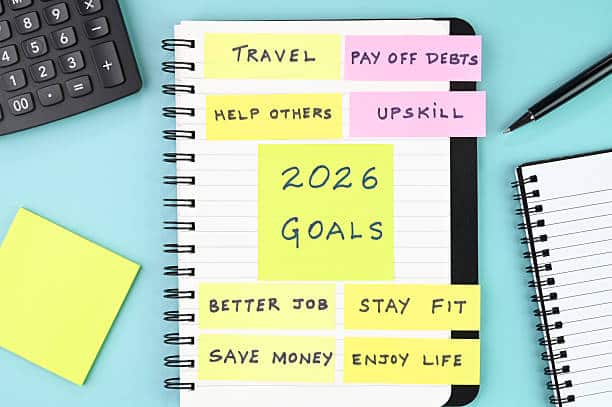
This pressure can occur regardless of your resolutions. According to a December 2025 YouGov survey, 31 percent of Americans intended to make resolutions for the new year. Another 32 percent believed that having resolutions led to having a better year. Of those who planned to make resolutions, 25 percent aimed to exercise more, while 23 percent sought to improve their happiness. Eating healthier and saving money were next in line, with 22 and 21 percent, respectively.
You May Also Like

While surveys like these don’t usually focus on different ethnicities, Black Americans have been known to add various resolutions to their lists. These can include breaking poor generational practices, establishing generational wealth, learning more about their African traditions, getting more involved in their communities, and pursuing higher education.
These are all exemplary goals, but it’s the process of carrying them out that could be wearing you out before you’ve truly begun. That’s because you’re usually encouraged to adopt an ‘all or nothing’ approach to achieving your resolutions. You’re supposed to be completely committed to your goals while still managing the responsibilities of everyday life. There is little emphasis on learning to strike a balance, setting goals that mesh with your physical or mental capabilities, or being flexible.
This pressure often results in frustration and burnout as you try to manage it all. It also leads to feelings of defeat when you can’t accomplish the resolutions that you set for yourself. Unfortunately, if you don’t learn how to prevent this burnout and handle resolutions responsibly, you may get caught in a cycle where you call the current year a failure and swear to do better with the next one.
You May Also Like

RELATED: 10 Healthy New Year’s Resolutions You’ll Actually Keep
How to Recognize and Prevent Burnout
Even if you’ve just started to work on your resolutions, you might be surprised that burnout may already be creeping in. Some of the early signs of burnout include feeling more tired than usual, losing your enthusiasm for doing your job or resolutions, and not being able to do your activities as effectively as you used to. These symptoms are often subtle and are usually ignored because they can seem like a stress response.
Unfortunately, if you don’t try to address the issue, the symptoms will only worsen. If that happens, you’ll be exhausted, feel more helpless, lose the energy to carry out your tasks, have poor sleep, get sick more often, lose your appetite, have chronic headaches, be more irritable, have trouble focusing, start doubting your abilities, or alienate yourself from others. These symptoms can be so bad that some people mistake them for depression.
Of course, it doesn’t have to be that way. You can prevent burnout in the new year by starting with compassion for yourself. Taking breaks, setting boundaries, resting when required, and making time for things that bring you joy. If you’re already dealing with the symptoms of burnout, then it’s time to take a step back. Relaxation techniques can help you recover from burnout as you cut down on your activity level. Sometimes, talking to a mental health professional can help.
Healthier Ways to Ease Into the New Year
Although some people suggest that you should hit the ground running when it comes to your resolutions, easing into things is a much healthier alternative. The first thing you should do is honestly assess your regular responsibilities and how they impact your capabilities. Doing this ensures that you’ll set attainable goals and also be more likely to maintain them because you know you’ll have time and energy for them.
For example, if your day is usually full of activities that leave you drained by the end of the day, you may not want to set a resolution that throws more physically strenuous tasks on top of that. Instead of planning a cardio routine for your exercise-based goal, consider something more calming, such as yoga, which also has health benefits.
Another factor that health experts suggest working on is how you approach your resolutions. Too many people jump right into the new activity with the mindset that they need to be ‘all in’ from the beginning. It might be more beneficial to take things slowly, as studies show that you’re more likely to stick to a new routine if you do so gradually. This may mean slowly cutting down on an expensive habit if your aim is to save money.
While planning your resolutions, it’s important to set a timeline for re-evaluating them. You set these goals at the beginning of the year without knowing what might happen or if they’ll be as beneficial as you anticipate. The experts suggest objectively looking at what you’ve done 60-90 days after you started the resolution. At this point, you can assess if you need to tweak the resolution to be more in line with what you need.
This kind of evaluation can be helpful for those whose resolutions were a little more vague, such as ‘being happier’ or similar goals. You may have started a hobby or activity that you thought would bring you joy, but after a few months, you realize that it’s not as effective or you don’t like doing it alone. That’s a good time to make changes so you’ll achieve your resolution.
Finally, you need to factor in some flexibility. Although consistency is great for exercise routines, embracing a new diet, and saving money, it’s not a disaster if things don’t go according to plan. It’s not beneficial for your mental or physical health to throw the resolution out if you can’t go to the gym for a couple of days. It’s better to have contingency plans in place.
For example, if you can’t go to the gym, how about doing a quick workout at home or choosing a less strenuous activity until you can go? If your resolution was to read more, you can always choose smaller books. There will always be times when doing a small thing is far better than doing nothing at all. Of course, this flexibility should also make room for illnesses, emergencies, and regular periods of rest.
New Year’s resolutions can be great if they’re done properly. If you take on more than you can manage, you’ll not only end up not accomplishing your goals, but you’re also more likely to burn out. Your resolutions are meant to make your life and health better, so don’t jump into them without an effective plan.