

• Skip to main content
  • Skip to secondary menu
  • Skip to primary sidebar
  • Skip to footer
BlackDoctor.org
Where Wellness & Culture Connect

Where Wellness & Culture Connect

  • Conditions
  • Wellness
  • Lifestyle
  • Longevity
  • Clinical Trials
  • Resources
    • Generational Health
    • Top Blacks in Healthcare 2025
    • Hall Of Fame
    • Clinical Trials Resource Center
    • Obesity Resource Center
    • Cancer Resource Center
    • Wellness on the Yard
    • Immunocompromised Care
    • BDO Resource Library
  • Find A Doctor
  • BDO TV
Home / Health Conditions / Heart Health / What Is Coronary Heart Disease?

What Is Coronary Heart Disease?

coronary heart disease

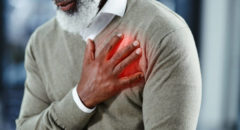
That seemingly sudden heart attack? It may have been triggered by underlying coronary heart disease.

Heart attack is a big event, but for some, it might be the first sign of a problem that has been building for quite some time.

Coronary heart disease -- also known as coronary artery disease -- is the most common type of heart disease in the United States and largely affects Blacks, according to the U.S. Centers for Disease Control and Prevention.

You May Also Like
Psoriatic Arthritis Can Feel Beyond Your Control. Consider a Different Direction. Learn More Here. Psoriatic Arthritis Can Feel Beyond Your Control. Consider a Different Direction. Learn More Here.

Doctors often use the terms coronary heart disease (CHD) and coronary artery disease (CAD) interchangeably, although CHD is really a result of CAD, according to the American Heart Association (AHA).

"Coronary artery disease is preventable," Dr. Johnny Lee, president of New York Heart Associates, said in a recent story about the condition. "Typical warning signs are chest pain, shortness of breath, palpitations and even fatigue."

RELATED: Coronary Artery Disease Runs In Your Family? Read These Prevention Tips

You May Also Like
Get GLP-1s Delivered to You As Low As $99/Month! Get GLP-1s Delivered to You As Low As $99/Month!

What is coronary heart disease?

The condition happens when blood flow to the heart muscle is limited because of plaque growth caused by waxy cholesterol in the coronary artery walls, according to the AHA.

It affects the large arteries on the surface of the heart, according to the U.S. National Heart, Lung, and Blood Institute (NHLBI).

That plaque may narrow the arteries over time. Or a sudden rupture of plaque may lead to blood clot, according to the AHA. That narrowing process, called atherosclerosis, can block some or all blood flow.

It's so common that 18.2 million Americans have CHD, the leading cause of death in this country, the NHLBI noted.

The latest AHA statistics show that the prevalence of cardiovascular disease was 48.6 percent in adults 20 and older. CVD numbers include those with coronary heart disease, heart failure, stroke and hypertension.

What causes coronary heart disease?

Although people may think of heart disease as an issue for seniors, it's never too early to start protecting against it.

The disease can begin in childhood, notes Dr. Edward Fisher, a professor of cardiovascular medicine at NYU School of Medicine in New York City.

"Preventive measures instituted early are thought to have greater lifetime benefits. Healthy lifestyles will delay the progression of CAD, and there is hope that CAD can be regressed before it causes CHD," Fisher said recently.

Certain lifestyle behaviors can put someone at higher risk for heart trouble. These include physical inactivity, unhealthy eating and smoking, the CDC said. Having high cholesterol levels is another risk factor, as is high blood pressure, diabetes and obesity, according to AHA.

Chronic kidney disease, high stress and poor sleep can also factor into heart disease, according to the Mayo Clinic.

So do obstructive sleep apnea, high-sensitivity C-reactive protein and preeclampsia during pregnancy, along with autoimmune disorders such as rheumatoid arthritis and lupus.

Women have higher risks after menopause, while men do after age 45.

Some of the risks are genetic, especially if there is a family history of heart problems before age 50, the CDC added.

Coronary heart disease symptoms

Chest pressure, pain or tightness can suggest CHD, according to Mayo Clinic. Shortness of breath and fatigue are signs, too.

Other symptoms include weakness, lightheadedness, nausea, a cold sweat or pain/discomfort in the arms or shoulder.

For some, the big symptom may be an actual heart attack.

Coronary heart disease treatments

A variety of tests can help diagnose the condition. Treatments include surgical procedures to restore blood flow, according to the CDC.

Surgical options include angioplasty and stent placement, coronary artery bypass surgery and minimally invasive heart surgery, according to Mount Sinai, in New York City.

Medicines can treat risk factors.

Lifestyle changes include a diet that's lower in sodium and fat, exercising more, quitting smoking and getting to a healthy weight.

How to prevent coronary heart disease

It is possible to prevent this disease or further damage once it's diagnosed.

Smokers should quit immediately, Mount Sinai advised.

Talk to a doctor about starting an exercise routine. Exercise at moderate to vigorous intensity about 30 minutes daily.

Manage other health conditions with medications and lifestyle changes.

A healthy diet could include replacing butter and other saturated fats with olive and canola oils, Mount Sinai noted.

Don't sprinkle salt on food, because that raises the risk of heart disease, heart failure and plaques in your arteries, suggested a study published recently in the Journal of the American College of Cardiology.

"Compared with people who always added salt to foods -- usually at the table -- those who sometimes, rarely or never added salt to foods had up to 37% reduction in the risk for cardiovascular disease," says lead researcher Dr. Lu Qi, a professor in the department of epidemiology at Tulane University School of Public Health and Tropical Medicine in New Orleans.

By Jason Henderson, BDO Staff Writer | Published June 2, 2023

The Latest In Heart Health

congestive heart failure symptoms

12 Reasons Why It Feels Like Your Heart Rate Won’t Slow Down

Anxiety? Caffeine? More serious? Running the last few minutes of a race, preparing for a major presentation, or watching "Stranger Things" in the dark may make your heart race. Daily living shouldn't raise your heart rate. Your heart's rhythm is read more about 12 Reasons Why It Feels Like Your Heart Rate Won’t Slow Down
amyloidosis

Amyloidosis: 3 Warning Signs Doctors Don’t Warn Patients About

Heart failure is a serious condition — but sometimes, what looks like ordinary heart failure is actually something else entirely. One condition that often flies under the radar is amyloidosis. Amyloidosis happens when an abnormal protein called amyloid builds up read more about Amyloidosis: 3 Warning Signs Doctors Don’t Warn Patients About
heart

Most People’s Hearts Are Older Than They Realize—Is Yours?

When Dr. Mark T. Loafman, MD, MPH talks about heart health, he doesn’t start with numbers—he starts with names. As a physician and public health leader at Cook County Health, one of the nation’s largest public health systems, Dr. Loafman read more about Most People’s Hearts Are Older Than They Realize—Is Yours?
heart disease

Black Men & Heart Disease: What You NEED to Know

Heart disease. The words themselves can send a chill, and for good reason. It remains the number one killer, a stark reality brought into sharp focus during a Facebook Live discussion, "Matters of the Heart: A Man's Guide to Cardiac read more about Black Men & Heart Disease: What You NEED to Know
lp(a)

Why This Nurse and This Mom Are Sounding the Alarm on Lp(a)

Cardiovascular disease remains the leading cause of death worldwide, yet many risk factors remain largely unknown to the public. One of these is lipoprotein(a), or Lp(a)—a genetic lipid particle that, according to new data from the Family Heart Foundation, significantly read more about Why This Nurse and This Mom Are Sounding the Alarm on Lp(a)
creatine

Should Black Women Use Creatine? What You Need to Know First

Creatine is experiencing a resurgence—not just in gyms but in mainstream wellness conversations. Yet among Black women, who already face unique physiological and cultural contexts, it raises critical questions: Is creatine beneficial? Is it safe? How does it fit into read more about Should Black Women Use Creatine? What You Need to Know First

Primary Sidebar

Subscribe to our newsletter

Icon

Caring for You, Too - Caregiver Workbook

1 file(s) 297 KB
Download

Trending Articles

Weight Loss Challenge: Lose 10 Pounds In 2 Weeks!

lose 10 pounds in 2 weeks

Stage 4 Lung Cancer: Why I Said Yes to a Clinical Trial

Stage 4 Lung Cancer: Why I Said Yes to a Clinical Trial

Top 10 Ways to Improve Your Digestion Naturally

digestion

This Clinical Trial Is Making HIV Treatment Easier for Black People

This Clinical Trial Is Making HIV Treatment Easier for Black People

A Clinical Trial Extended the Life of Women With Hard-to-Treat Breast Cancer

A Clinical Trial Extended the Life of Women With Hard-to-Treat Breast Cancer
Find a Culturally Sensitive Doctor

Footer

Where Wellness & Culture Connect

BDO is the world’s largest and most comprehensive online health resource specifically targeted to African Americans. BDO understands that the uniqueness of Black culture - our heritage and our traditions - plays a role in our health. BDO gives you access to innovative new approaches to the health information you need in everyday language so you can break through the disparities, gain control and live your life to its fullest.

Connect With Us

Resource Centers

  • Top Blacks in Healthcare
  • Clinical Trials
  • Wellness on the Yard
  • Cancer
  • Immunocompromised Care
  • About Us
  • Privacy Policy
  • Cookie Policy
  • Terms of Service
  • Careers
  • Advertise With Us
  • Advertising & Sponsorship Policy
  • Daily Vitamina
  • TBH

Copyright © 2025, Black Doctor, Inc. All rights reserved.