
 Most of the time, our garbage is filled with skins and peels from our favorite fruits and vegetables, but you could be throwing out some of the best part of those foods. Skins may be tough, but here are the skins you should and should not eat.
When to Eat the Skin (If Organic)
Onion:
Onion skins, often discarded, contain numerous health benefits. Experts say you should use it to create an “onion stock” rather than eat the skins raw. Here are some of the key advantages of (purple) onion skin:
Antioxidant Properties:
Onion skins are rich in antioxidants, including quercetin, which combats oxidative stress and protects against chronic diseases.
Cardiovascular Health:
Quercetin, found in onions, may help lower blood pressure and cholesterol levels, reducing the risk of cardiovascular diseases.
Digestive Health:
Onion skins are a good source of prebiotics, which promote the growth of beneficial gut bacteria and improve digestion.
Anti-inflammatory Effects:
The flavonoids in onion skins have anti-inflammatory properties that can help soothe skin irritations, reduce swelling, and relieve pain.
Immune System Support:
Onion skins contain vitamins C and E, which boost the immune system and protect against infections.
Hair Health:
Onion skins can be used as a natural hair rinse to strengthen hair, reduce hair loss, and improve its shine.
Banana:
Banana peel has a bitter taste and tough consistency but contains potassium, lutein (a powerful antioxidant for eye health) and tryptophan (that increases your body’s serotonin, which improves mood).
Banana peels contain both soluble and insoluble fiber, often more than the fruit itself.
Fiber promotes healthy digestion, supports regular bowel movements, and aids in weight management by helping you feel full longer.
The potassium in banana peels help regulate blood pressure, while magnesium is important for energy production and blood sugar regulation.
You May Also Like

If you want to try banana peel, here are some tips: use very ripe peels; use a small amount in your smoothie; or boil it for a few minutes, then sauté or bake in the oven until it dries out to use as a tea.
TAKE A LOOK: 5 Foods We Never Buy From The Grocery Store
You May Also Like

Cucumber:
This veggie’s dark-green skin contains the majority of antioxidants, insoluble fiber and potassium. If a cucumber has a heavy waxed coating and pesticides, you may consider peeling.
Zucchini:
The skin of zucchini contains extra vitamin C, fiber and potassium, as well as the antioxidants carotenoids, lutein and zeaxanthin. Although the flavor is a bit bitter, if you’re cooking them or mixing them with other flavors (e.g. in a salad) it’s worth it to keep the skin on.
Apple:
Apple peel contains most of the fruit’s insoluble fiber, an antioxidant called quercetin and other antioxidants.
Red Skin Potato:
Ounce for ounce, potato skin has more fiber, iron, potassium, B vitamins and vitamin C than the flesh.
Kiwi:
Kiwi skin is probably one skin that most of us do not eat, but it IS edible! The skin contains more flavonoids, antioxidants and vitamin C than the flesh. If the fuzz grosses you out, scrape it off first.
MUST READ: The Best Apple For Your Sex Life (Yes, It Works)
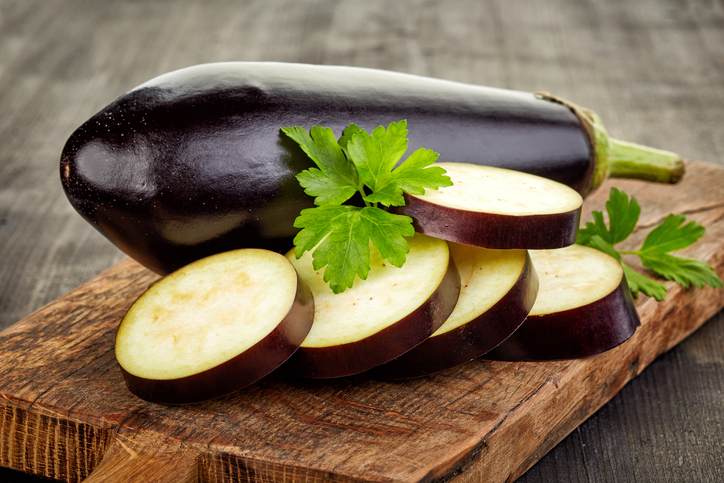
Eggplant:
An eggplant’s purple hue comes from a powerful antioxidant called nasunin, which helps protect against cancerous development, especially in the brain and other parts of the nervous system. Nasunin is also believed to have anti-aging properties.
Eggplant skin is also rich in chlorogenic acid, a phytochemical that boasts antioxidant and anti-inflammatory properties, and also promotes glucose tolerance. Although the eggplant interior contains chlorogenic acid, it’s much more prevalent in the skin.
Oranges:
The peel of an orange packs in twice as much vitamin C as what’s inside. It also contains higher concentrations of riboflavin, vitamin B6, calcium, magnesium and potassium. The peel’s flavonoids have anti-cancer and anti-inflammatory properties. (Citrus fruit also boosts iron absorption.)
As nutritious as citrus peels are, you’re unlikely to start eating oranges whole. The entire peel is bitter and difficult to digest. Instead, grate the peel using a microplane or another tool and sprinkle it on top of salads, or in a vinaigrette dressing. Citrus shavings make a good pairing with ice cream and chocolate as well.
Carrot:
Most of the nutrients, carotene and various antioxidants in carrots are in or just below the skin. Just scrub, cut off ends, and eat!
Squash:
It may seem like all squash have a super hard skin, but you can bake most varieties with the skin on and eat it once baked. Delicata, acorn and sweet dumpling squashes have softer skins, while some squash skins such as spaghetti squash and pumpkin are tougher and difficult to digest, even when cooked.
Mango:
Researchers found that mango skin contains properties similar to resveratrol, which helps burn fat and inhibits the production of mature fat cells. Mango flesh extracts were also tested, but did not produce the same results, which suggests that one needs to eat mango skin in order to get this beneficial property.
A mango’s peel also contains larger quantities of carotenoids, polyphenols, omega-3, omega-6 and polyunsaturated fatty acids than its flesh. Another study found compounds more heavily concentrated in mango’s skin that fight off cancer, diabetes and heart disease. Mango skin also has quercetin.
Pineapple Core
Okay, so this point is not technically a skin, but a pineapple core it is important to add, as the core contains the highest concentration of bromelian. Keep in mind due to the blood thinning properties of bromelian, you should also avoid taking aspirin (or any other medicinal blood thinners) if consuming pineapple on a daily basis.
On a side note here, the bromelian content is very minimal in canned pineapple. In most canned pineapple the core is removed before the canning process and even if it isn’t, the heating process for canning actually destroys the bromelian content.
Honorable mention:
Asparagus:
The skin on asparagus doesn’t contain any additional nutritional benefits over the flesh, but it can leave behind a stringy texture. So purely from a culinary perspective, I’d suggest peeling the skin if you have the time to peel each stalk individually.