

Have you ever eaten and realized you are clearing your throat quite a bit? Embarrassing and annoying, right? This uncomfortable feeling is due to phlegm build-up from mucus-forming foods.
While mucus can serve as a protectant against dust, bacteria, and pathogens; too much mucus can potentially harm the body causing respiratory problems, diabetes, and other diseases.
RELATED: 6 Medicine Cabinet Essentials You Need Now
You May Also Like

You may not be aware, but some of the most common foods we eat cause mucus. Here are 12 mucus-forming foods
12 Mucus-Forming Foods
1. Dairy Products (Milk, Cheese, Ice Cream)
Dairy is one of the most well-known mucus-forming foods. Although it doesn’t necessarily create more mucus, it can thicken the mucus already in your body, making you feel more congested.
Better choice: Almond milk, coconut milk yogurt, or dairy-free cheese alternatives.
You May Also Like

2. Processed Meats (Bacon, Sausage, Deli Meats)
These meats contain nitrates, additives, and preservatives that can irritate the respiratory tract and increase inflammation—leading to more mucus.
Better choice: Fresh, lean meats or plant-based proteins.
3. Fried Foods
Greasy, high-fat fried foods can slow digestion, trigger acid reflux, and promote inflammation—all of which encourage thicker mucus production.
Better choice: Baked, grilled, or air-fried meals.
4. Refined Sugar & Sweets
Sugar weakens the immune system and promotes inflammation, which increases mucus as the body tries to protect irritated tissues.
Better choice: Honey, fruit, or dark chocolate in moderation.
5. Wheat & Gluten-Heavy Foods
For people sensitive to gluten, foods like bread, pasta, and pastries can cause gut irritation and inflammation. This often shows up as increased mucus, coughing, or post-nasal drip.
Better choice: Gluten-free grains such as quinoa, brown rice, or oats.
6. Soda & Sweetened Drinks
The combination of sugar, phosphoric acid, and additives in sodas can trigger mucus build-up in the throat and chest.
Better choice: Herbal teas, infused water, or sparkling water without sugar.
7. Alcohol
Alcohol dries out the throat and nasal passages, causing rebound mucus production as the body tries to re-hydrate itself. Red wine, in particular, may trigger histamine release.
Better choice: Drink water between alcoholic beverages or choose mocktails.
8. Coffee & Caffeinated Drinks
Caffeine is dehydrating, which causes your mucus to thicken, making congestion worse.
Better choice: Reduce caffeine or switch to herbal teas like ginger or peppermint.
9. Eggs
Some people experience mucus buildup or congestion after eating eggs, especially if they have a mild or undiagnosed egg sensitivity.
Better choice: Try swapping eggs for plant-based breakfasts like oatmeal or tofu scrambles.
10. Corn Products
Corn is a common trigger food that can cause inflammation in sensitive individuals, leading to congestion, increased mucus, or sinus irritation.
Better choice: Sweet potatoes, quinoa, or brown rice.
11. Bananas (Especially When Not Fully Ripe)
Bananas are nutritious, but they can be mucus-forming in some people, especially when eaten cold or underripe. In Ayurveda and natural health traditions, bananas are often avoided during colds.
Better choice: Berries, apples, or pears.
12. Ice Cream & Cold Dairy Desserts
This is a double-impact food: dairy + cold temperature, which can thicken mucus and irritate inflamed sinuses or throats.
Better choice: Dairy-free sorbets or fruit bowls.
Why These Foods Increase Mucus
A lot of mucus-triggering foods share these characteristics:
- High sugar equals inflammation
- High saturated fat makes for slower digestion, more irritation
- Additives & preservatives translates into respiratory irritation
- Cold foods create thickening of existing mucus
- Common allergens (dairy, eggs, wheat, corn) issue a immune response
The body responds to irritation the same way every time: it produces mucus to protect itself.
Signs You May Have Too Much Mucus
You may notice:
- Constant throat clearing
- Post-nasal drip
- Coughing up phlegm
- Sinus pressure
- Wheezing or chest tightness
- Feeling “clogged” or congested
If these symptoms are persistent, it’s worth evaluating your diet.
Zinc: The Boost Your Immune System Needs!
In addition, you want to avoid fried foods and other processed and refined foods. If you are not willing to avoid the mucus-forming foods, consider decreasing your consumption and replacing them with more mucus reducing foods like:
-Green leafy vegetables
-Lime
-Grapefruit
-Ginger
-Turmeric
-Pineapple
-Cucumber
Eating more alkaline-forming and anti-inflammatory foods is a great way to decrease mucus and inflammation in the body. By doing so you are helping to prevent the body from colds, and chronic diseases like diabetes and heart disease.
RELATED: 5 Natural Remedies for Restless Cough
How to Reduce
Unwanted Mucus In The Body
Tip #1: Drink Lime Water Every Morning

Drinking lime water every morning helps to alkalize your body. It also helps to fight infections, reduces inflammation, improves digestion, helps with weight loss, rejuvenates the skin, and removes mucus. This is by far the quickest and easiest routine to add to your everyday routine.
Tip #2: Consume Cucumbers
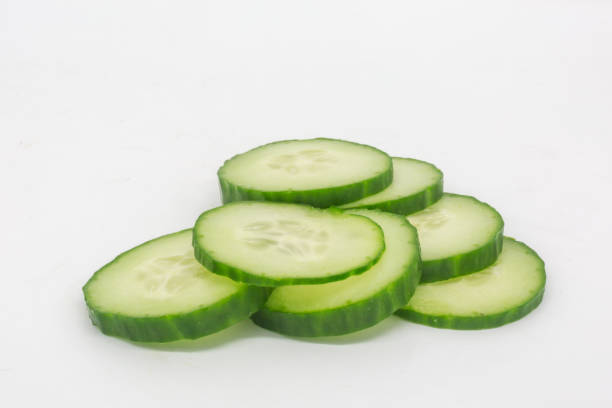
Cucumbers are rich in potassium, vitamin C, and water. They aid in cleansing the body and reducing inflammation. A great way to add cucumber to your everyday diet is to drink cucumber and lime water throughout the day. Not only does this reduce mucus and inflammation, but it keeps you hydrated and improves the skin.
Tip #3: Find Alternatives
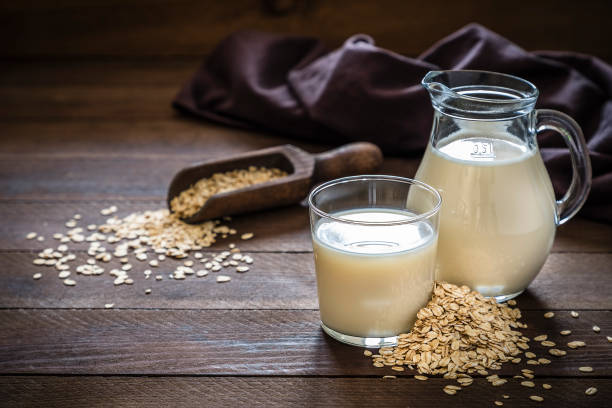
Find alternatives to some of the mucus-forming foods that you may love. If you enjoy yogurt, try a dairy-free yogurt. Same with milk, try any of the dairy-free or soy-free milks that are nut-based or non-nut-based (cashew milk and oat milk are great options).
RELATED: 4 Immune-Boosting Foods To Prepare For Cold Season
Tip #4: Ginger & Turmeric

Both ginger and turmeric fight inflammation. Drink in tea form or juice the root for instant relief from mucus.
Tip #5: Omega-3 Fatty Acids
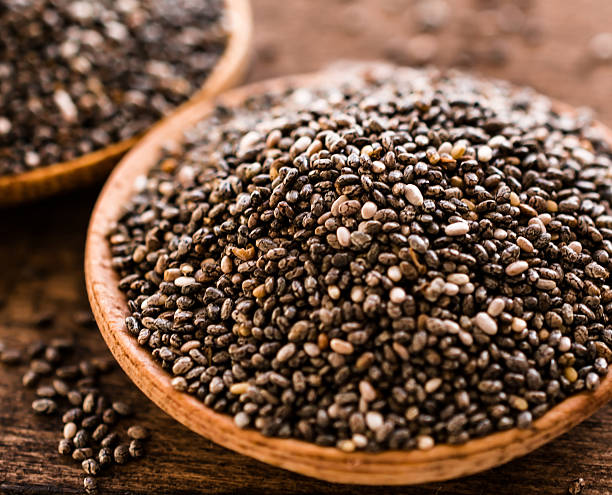
Omega-3 fatty acids are also known to reduce phlegm and inflammation. Moderate consumption of salmon, nuts, and chia seeds are all great omega-3 foods.
RELATED: 5 Foods to Help Fight Back this Cold and Flu Season
Tip #6: Refined, Trans, And Saturated
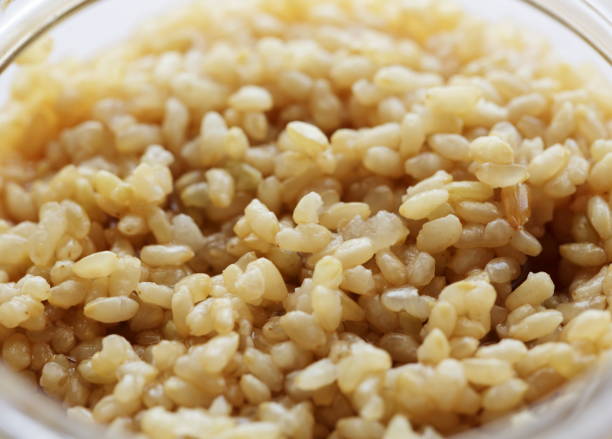
Try replacing trans and saturated fats with healthier fats such as vegetable and seed-based oils. Instead of refined grains like rice, try whole grains like brown rice and whole oats.
This isn’t an overnight change, but gradually transitioning and being more mindful of what you are consuming can help prevent mucus and other chronic diseases in the future.
Which of the above tips are you going to incorporate into your daily routine?

Elissa Mirsky, known to most as Elle, is a published author and former editor-in-chief of Bold Magazine. She believes food shouldn’t be boring and every meal should be fashionably edible. Follow her on Instagram @mylifebeingelle where she is documenting her journey to eat well, live life, and love self.