
• Skip to main content
  • Skip to secondary menu
  • Skip to primary sidebar
  • Skip to footer
BlackDoctor.org
Where Wellness & Culture Connect

Where Wellness & Culture Connect

  • Conditions
  • Wellness
  • Lifestyle
  • Longevity
  • Clinical Trials
  • Resources
    • Generational Health
    • Top Blacks in Healthcare 2025
    • Hall Of Fame
    • Clinical Trials Resource Center
    • Obesity Resource Center
    • Cancer Resource Center
    • Wellness on the Yard
    • Immunocompromised Care
    • BDO Resource Library
  • Find A Doctor
  • BDO TV
Home / Lifestyle / Living with Fibroids / 5 Ways To Protect Your Body When Using NSAIDs

5 Ways To Protect Your Body When Using NSAIDs

NSAIDs

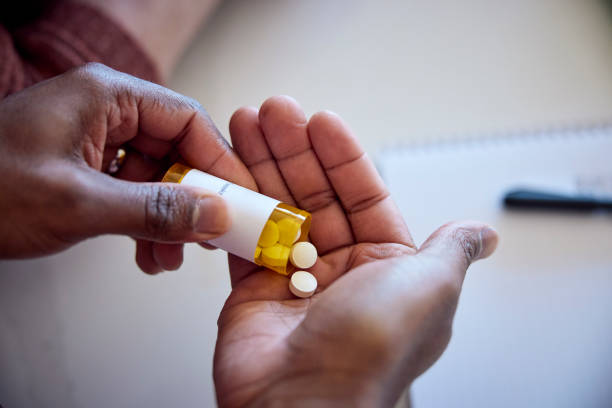
For many people with chronic conditions, taking nonsteroidal anti-inflammatory drugs (NSAIDs) is the only way to manage their pain. While these drugs are usually effective for easing pain and inflammation, they can also have significant side effects when taken for a prolonged period. If you follow a few preventive techniques, though, you can protect your body from these effects. 

5 Ways To Reduce The Effects Of NSAIDs

1. Avoid Alcohol

Research shows that alcohol can irritate the stomach and exacerbate the negative effects of NSAIDs. Additionally, drinking alcohol can slow down digestion, which can affect how well a meal will protect your digestive system from the painkillers.

While it’s possible to have a drink every now and then, doctors recommend staying away from liquor altogether to be safe.

You May Also Like
Psoriatic Arthritis Can Feel Beyond Your Control. Consider a Different Direction. Learn More Here. Psoriatic Arthritis Can Feel Beyond Your Control. Consider a Different Direction. Learn More Here.

2. Take Them After A Full Meal

Having a full meal can protect your stomach lining from the irritation that NSAIDs can cause. As you digest the meal, your system will also slowly absorb the drugs, lowering the impact of the medication while ensuring that you get all the benefits.

Doctors further recommend taking the painkillers with a glass of milk or a lot of water, as these will coat the stomach as well. 

RELATED: 5 Anti-Inflammatory Exercises to Try While Traveling

You May Also Like
Get GLP-1s Delivered to You As Low As $99/Month! Get GLP-1s Delivered to You As Low As $99/Month!

3. Take Soothing Medications

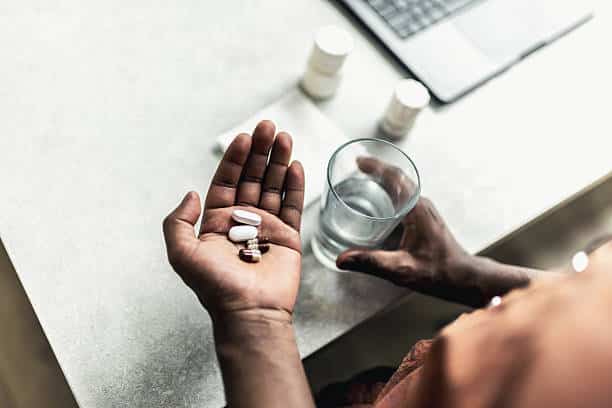
Over-the-counter antacids can help your stomach deal with the side effects of NSAIDs. Sometimes, you’ll need stronger medications to do the job, though. Talk to your doctor about other options that you can take alongside your painkillers to protect your stomach. 
NSAIDs

4. Alternate The Delivery Methods

Since the primary concern is the gastrointestinal system, some people minimize the potential side effects by using varying methods to take their NSAIDs.

Instead of only ingesting tablets or capsules, they alternate with gels, creams, and injections. This might not work for everyone, depending on the condition they’re dealing with and their health status. However, it’s worth talking to your doctor to discuss the options. 

5. Avoid Cigarettes

According to multiple studies, smoking cigarettes can affect your circulatory system. If you smoke, you may also be at an increased risk of high blood pressure, stroke, and heart attack.

Given that NSAIDs also contribute to this risk, it’s best to step away from cigarettes if you need to take painkillers. 

Possible Side Effects Of NSAIDs

NSAIDs are most likely to affect your gastrointestinal system. The side effects can range from mild heartburn to severe stomach irritation that eventually causes an ulcer to form.

In rare cases, the drugs can lead to erosion that results in internal bleeding or perforation of the intestines. Those instances are life-threatening and you need to seek medical attention immediately if that happens. NSAIDs can also impair your kidney function and this is usually apparent in swollen ankles. 

There is some evidence that NSAIDs elevate your blood pressure and increase your risk of a cardiovascular event. Interestingly, taking these drugs can affect how effective blood pressure medications are, so it’s best to discuss this interaction with your doctor. If you’re taking blood thinners, you should also know that NSAIDs can affect how well your blood clots as well. 

Some of the other medications that NSAIDs can interact with include antidepressants, diuretics, and antipsychotics. Finally, it’s important to note that some people develop an allergic reaction to NSAIDs. The symptoms of an allergic reaction include swollen lips, a rash, and difficulty breathing.

RELATED: 3 Anti-Inflammatory Drinks Your Body Will Love

When To See A Doctor

You should see a doctor immediately if you experience any signs of an allergic reaction. If you notice consistent bruising under your skin, it could be a sign that the NSAIDs are causing significant thinning of your blood and making it harder for cuts to stop bleeding. Other signs that you need to see a doctor include severe abdominal pain, vomiting blood, seeing blood in your bowel movement, and having black, tarry stools. 

It’s common for doctors to prescribe NSAIDs to people who are living with chronic or intermittent pain. Unfortunately, these drugs can have serious side effects that put their health at risk. If you have to take them regularly, talk to your doctor about the best ways to protect yourself.

By Karen Heslop | Published July 3, 2025

July 3, 2025 by Karen Heslop

The Latest In Living with Fibroids

fibroid

3 Women, 3 Fibroid Journeys: Venus Williams, Lupita N’Yongo & Selina Martin

What if everything you’ve been told about fibroids is wrong? This powerful, life-changing testimony—shared exclusively on iHeart Radio’s Way Up with Angela Yee—could completely shift how you see fibroid healing. From Hollywood to the Tennis Court—Even A-List Women Are Speaking read more about 3 Women, 3 Fibroid Journeys: Venus Williams, Lupita N’Yongo & Selina Martin

5 200-Pound Women Who Are NOT Overweight!

When it comes to men's and women's weight, there are certain myths that we tend to perpetuate. Like, men who are over 200 pounds need to look like this or that to be fit and a woman must be under read more about 5 200-Pound Women Who Are NOT Overweight!
weak bladder

10 Great Ways to Strengthen a Weak Bladder

It’s a common misconception that incontinence is unavoidable as you age. Health experts agree, however, that it’s more likely that your bladder needs to be strengthened to keep functioning well. There are also a few health conditions that can affect read more about 10 Great Ways to Strengthen a Weak Bladder
Endocrine Disruptors

Are these Household Products Causing Fibroids?

New research is shedding new insight into how harmful compounds contained in plastic may disrupt hormone function and women's health. Approximately 80 percent of reproductive-aged women have uterine fibroids, which are non-cancerous tumors that form in the uterus, but the read more about Are these Household Products Causing Fibroids?
morris chesnut

Morris Chestnut & Wife: The Secret to Their 30 Years Of Marriage

Actor Morris Chestnut has played opposite to a lot of beautiful leading ladies in his 30-plus year career. There's been Vivica Fox, Halle Berry, Monica Calhoun, and in his most recent film, When The Bough Breaks, it was Regina Hall. read more about Morris Chestnut & Wife: The Secret to Their 30 Years Of Marriage

Remembering Kim Porter And Why Some Doctors Don’t Believe Black Women

The passing of model, actress, and mother Kim Porter, hit the world hard. She was a beautiful Black woman who seemed healthy, had no previous signs of health issues, but then passed away at the young age of 47. Porter read more about Remembering Kim Porter And Why Some Doctors Don’t Believe Black Women

Primary Sidebar

Subscribe to our newsletter

Icon

Caring for You, Too - Caregiver Workbook

1 file(s) 297 KB
Download

Trending Articles

Stage 4 Lung Cancer: Why I Said Yes to a Clinical Trial

Stage 4 Lung Cancer: Why I Said Yes to a Clinical Trial

This Clinical Trial Is Making HIV Treatment Easier for Black People

This Clinical Trial Is Making HIV Treatment Easier for Black People

A Clinical Trial Extended the Life of Women With Hard-to-Treat Breast Cancer

A Clinical Trial Extended the Life of Women With Hard-to-Treat Breast Cancer

This Reverend Wants to Change How You View Clinical Trials: “We’re Not Going to Have Another Tuskegee”

This Reverend Wants to Change How You View Clinical Trials: "We're Not Going to Have Another Tuskegee"

These Two Women Are Amplifying the Voices of Black Triple-Negative Breast Cancer Survivors

breast cancer
Find a Culturally Sensitive Doctor

Footer

Where Wellness & Culture Connect

BDO is the world’s largest and most comprehensive online health resource specifically targeted to African Americans. BDO understands that the uniqueness of Black culture - our heritage and our traditions - plays a role in our health. BDO gives you access to innovative new approaches to the health information you need in everyday language so you can break through the disparities, gain control and live your life to its fullest.

Connect With Us

Resource Centers

  • Top Blacks in Healthcare
  • Clinical Trials
  • Wellness on the Yard
  • Cancer
  • Immunocompromised Care
  • About Us
  • Privacy Policy
  • Cookie Policy
  • Terms of Service
  • Careers
  • Advertise With Us
  • Advertising & Sponsorship Policy
  • Daily Vitamina
  • TBH

Copyright © 2025, Black Doctor, Inc. All rights reserved.