
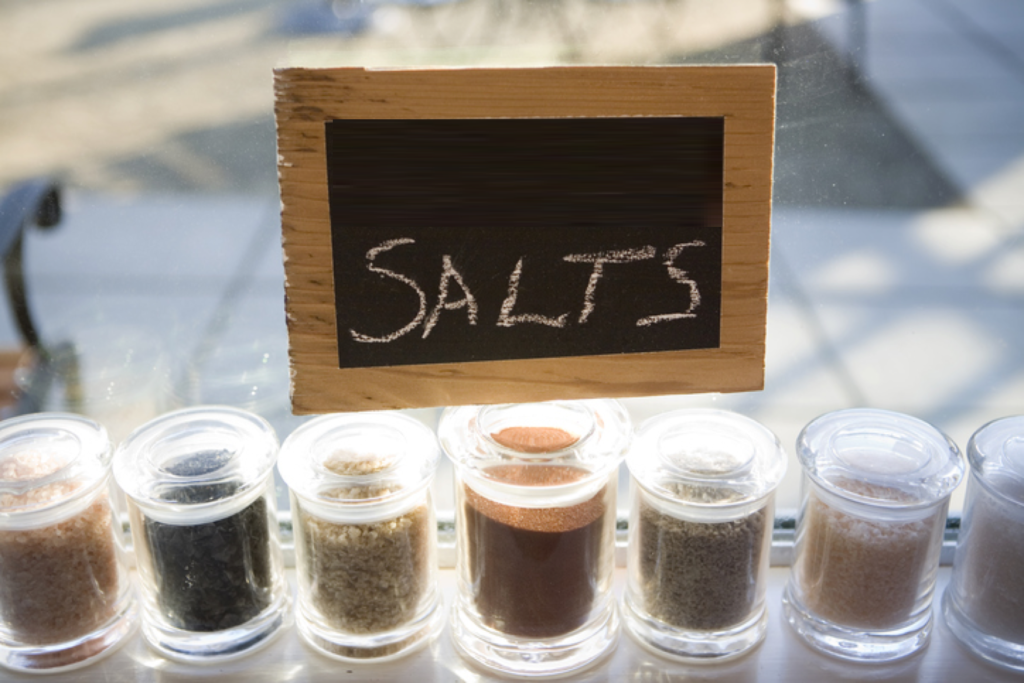
I grew up in a world where seasoned salt was a kitchen cornerstone. This tremendously popular spice blend was far more than just a passing trend; it was a veritable staple found in countless kitchens across the country. It possessed a near-magical quality, instantly adding that critical, desirable little extra “oomph” to your dishes, transforming them and seemingly making everything taste better.
But the truth is, enhancing flavor is not the only thing this ubiquitous ingredient does.
The Hidden Price of “Oomph”: A Closer Look at Sodium Intake
If you find yourself reaching for and utilizing seasoning salt on a regular basis, there is a very high probability that you are simultaneously consuming far more than the recommended daily allowance of sodium. While it is true that your body absolutely requires a certain amount of salt to function properly—it plays a vital role in nerve and muscle function—an excessive intake is strongly and consistently linked with the development of high blood pressure (or hypertension). This condition, in turn, significantly increases your overall risk of serious cardiovascular events, including heart disease and stroke.
You May Also Like

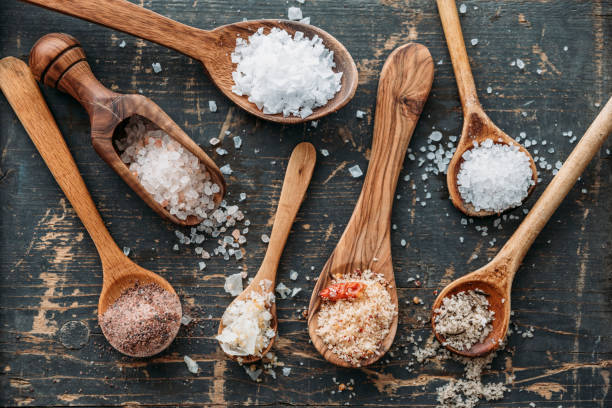
Seasoning salt, which is also frequently referred to as seasoned salt, is fundamentally a commercial food product. The predominant, main ingredient in its formulation is, unsurprisingly, salt. However, it distinguishes itself by also incorporating a carefully selected blend of various spices and dried herbs. These typically include, but are not limited to, essentials like onions, black pepper, garlic powder, and paprika. Its common application is to significantly enhance the natural flavor of a wide range of foods, especially meats and poultry, but it is also a popular choice for adding zest to French fries and various side dishes.
Popular Brands and Alarming Numbers
Brands like Lawry’s Seasoned Salt and Morton Seasoned Salt are among the most recognized and popular names in the seasoning salt market. It seemed to me that in nearly every Black person’s home I ever visited, they had at least one, if not both, of these household names proudly displayed on the counter or spice rack.
You May Also Like

These commercial blends contain comparable, and often surprisingly high, amounts of sodium per serving (not to mention that some may also contain other ingredients, like trans fats, that should be monitored). For a concrete example, consider the sodium content: Lawry’s boasts 380 milligrams of sodium in just a single serving. Morton is close behind with 350 milligrams per serving, and brands like Badia seasoning salt also register at 380 milligrams. Recognizing the health concerns, it is worth noting that some of these salt-makers have begun to produce lower-sodium versions of their regular seasoning salt, offering a slightly healthier alternative.
And what exactly constitutes that standard serving size? It is startlingly small: only 1/4 teaspoon! That minuscule amount is literally just a pinch of salt. Yet, we all know from experience that many individuals liberally use at least a full teaspoon, or perhaps even more, when seasoning their meals.
RELATED: Could Chinen Salt Be Good For You?
The American Salt Crisis
It is not a secret that the average American population consumes an excessive amount of salt, which inevitably leads to the intake of far more sodium than is truly necessary—or considered healthy—for the human body. While a minimal amount is essential for good health, the current consumption levels are alarming.
Medical and nutritional bodies offer clear guidelines. The Institute of Medicine recommends a daily sodium intake of 2,300 milligrams for most generally healthy Americans. However, that recommendation drops even lower—to just 1,500 milligrams—for individuals who have pre-existing health issues, such as hypertension or diabetes. Despite these clear guidelines, the average American currently consumes approximately 3,400 milligrams of sodium daily, a figure reported by the experts at Harvard University’s School of Public Health.

A Simple, Powerful Solution: Make Your Own!
Fortunately, you have control over your sodium intake. There are actionable steps you can take today: you can consciously reduce your portion sizes of commercial seasoned salt, you can experiment with some of the lower-sodium brand options available on the market, and—most effectively—you can stop relying on commercial products altogether to get your seasoning salt fix and instead, simply make your own!
This approach utilizes normal, everyday spices, which is my personal favorite way to season a dish. The ingredients are straightforward and easy to find: all you need are basic salt, celery salt, garlic salt, paprika, dry mustard, onion powder, and pepper.
DIY Seasoning Salt Recipe
Ingredients:
-
1 cup Salt (you can choose a finer grain for easier mixing)
-
2 tsp celery salt
-
2 tsp garlic salt
-
2 tsp paprika
-
2 tsp dry mustard
-
2 tsp onion powder
-
2 tsp pepper (freshly ground is always best)
Instructions:
The preparation couldn’t be simpler. You can either simply stir all the ingredients together thoroughly in a bowl. Alternatively, for a truly even distribution, what I prefer to do is place all the ingredients into a Ziploc-style sandwich bag, seal it securely, and shake it vigorously until you can clearly see that every component is perfectly mixed and blended.
Now, you have a fresh, customizable batch of seasoned salt that puts you in control of the ingredients and, crucially, the sodium level. Go ahead and start using your homemade seasoned salt immediately, and be sure to share this incredibly easy and beneficial recipe with your family and friends. Their hearts will be healthier for it, and they will undoubtedly thank you for the delicious and health-conscious gift.