

Cosmetic surgery trends tend to follow a familiar arc: a new technique promises quicker recovery, lower risk, and more convenience — and social media accelerates its popularity. The latest procedure gaining attention is “awake-only” liposuction, often marketed as a safer, faster alternative to traditional lipo performed under general anesthesia.
Searches for awake liposuction have increased, and clinics frequently advertise it as a lunchtime procedure with minimal downtime. But while there are legitimate medical reasons some patients choose local anesthesia, experts caution that “awake” does not mean risk-free. Understanding what the procedure actually involves — and where marketing may oversimplify — is essential for anyone considering it.
What “Awake-Only” Liposuction Actually Involves
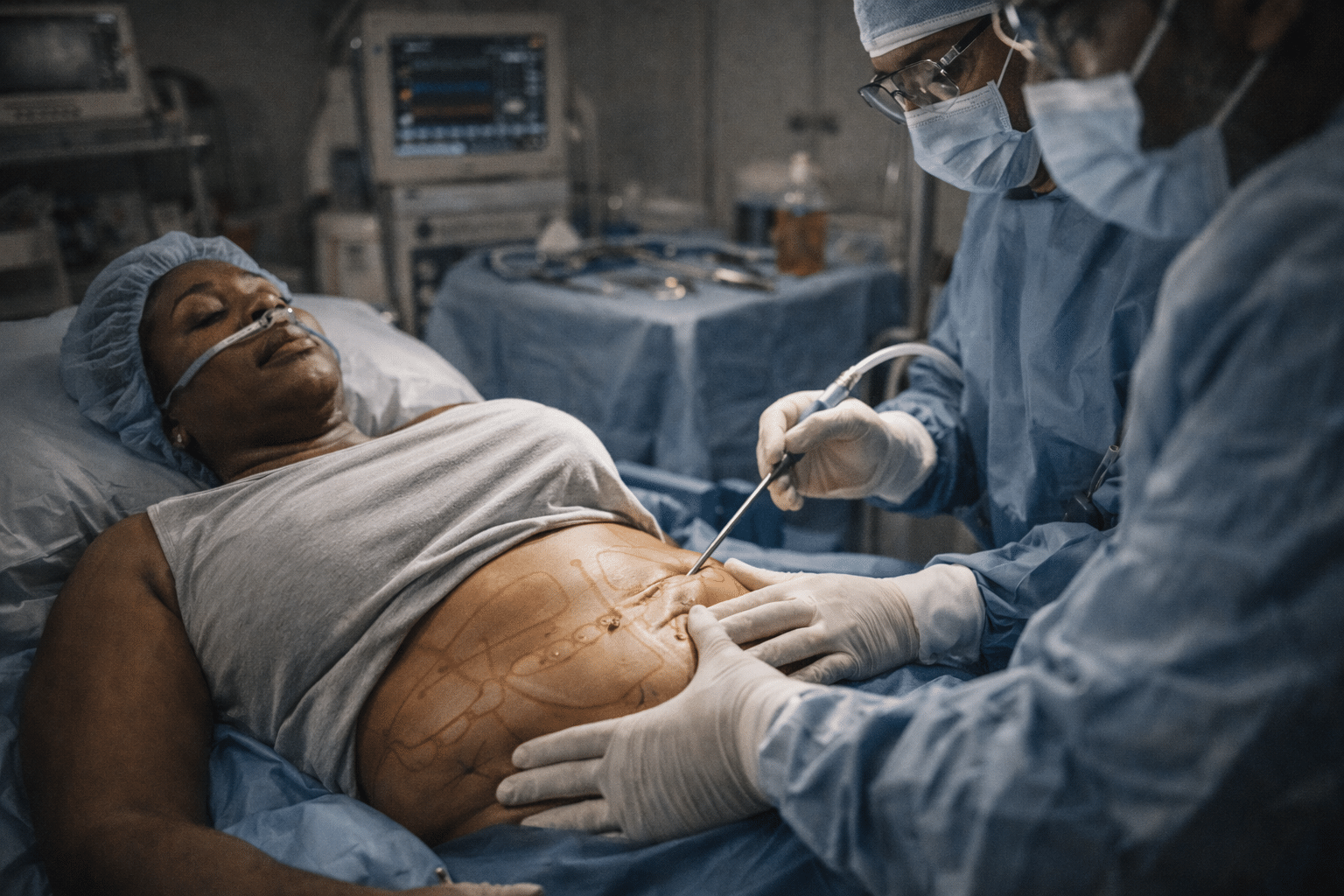
Awake liposuction refers to fat-removal procedures performed under local anesthesia rather than general anesthesia. Patients remain conscious throughout the procedure.
You May Also Like

Most awake lipo uses the tumescent technique, which involves injecting a large volume of a solution containing saline, lidocaine (a local anesthetic), and epinephrine into the targeted fat areas. The solution:
- Numbs the area
- Minimizes bleeding
- Causes fat cells to swell for easier removal
Once the area is numb, the surgeon inserts a thin cannula (a hollow tube) through small incisions and suctions out fat deposits.
Unlike traditional liposuction under general anesthesia, patients:
You May Also Like

- Are breathing on their own
- Do not require intubation
- Typically go home the same day
According to Hakimi Plastic Surgery, awake liposuction has grown in popularity because it avoids the risks associated with general anesthesia and can offer faster recovery times in appropriately selected patients.
Why It’s Trending
Several factors are fueling the trend:
1. Lower Anesthesia Risk
General anesthesia carries risks such as respiratory complications, nausea, prolonged sedation effects, and rare but serious reactions. For some patients, avoiding general anesthesia is appealing.
2. Faster Recovery
Patients often report less grogginess post-procedure and quicker return to daily activities compared to traditional lipo under general anesthesia.
3. Cost Considerations
Eliminating an anesthesiologist and a hospital-based surgical facility can reduce costs.
4. Social Media Visibility
Short-form videos frequently show patients chatting with surgeons mid-procedure, reinforcing the idea that awake lipo is easy and low-risk. But popularity does not equal simplicity.
Claimed Benefits vs. Medical Realities
Awake lipo does offer legitimate advantages for certain candidates. However, consumer-facing messaging sometimes omits important context.
Claimed Benefit: “Safer Than Traditional Lipo”
It is true that avoiding general anesthesia eliminates certain anesthesia-related risks. However, liposuction itself — regardless of anesthesia type — still carries surgical risks.
These include:
- Infection
- Bleeding
- Contour irregularities
- Fluid imbalance
- Nerve injury
- Fat embolism (rare but serious)
Awake lipo is not “non-surgical.” It remains an invasive procedure.
Claimed Benefit: “Minimal Downtime”
Recovery varies widely depending on:
- Volume of fat removed
- Body areas treated
- Individual healing response
Swelling, bruising, soreness, and compression garment use are still expected.
Claimed Benefit: “You Can Go Back to Work Immediately”
Some patients may resume light activity quickly, but strenuous activity is typically restricted for weeks.
The Role of Lidocaine and Safety Limits
Because awake liposuction relies heavily on lidocaine for numbing, dosage safety is critical. Excessive lidocaine absorption can lead to toxicity, which may cause:
- Dizziness
- Irregular heart rhythms
- Seizures (in severe cases)
Experienced surgeons carefully calculate safe dosing limits, especially when multiple areas are treated. This underscores the importance of choosing a board-certified plastic surgeon with proper training in tumescent techniques.
Who Is a Good Candidate?
Awake liposuction may be appropriate for:
- Patients requiring small-to-moderate fat removal
- Individuals without significant underlying health conditions
- Those seeking contour refinement rather than large-volume fat reduction
It may not be appropriate for:
- Large-volume liposuction cases
- Patients with anxiety about remaining awake
- Individuals with certain cardiovascular conditions
- Those requiring combined surgical procedures
Patient selection is critical. Not everyone is a candidate, despite how it may appear online.
Regulation and Oversight Concerns
One reason awake lipo has expanded is its suitability for office-based surgical settings. However, not all clinics are equal.
Consumers should verify:
- Is the surgeon board-certified in plastic surgery?
- Is the facility accredited?
- Are emergency protocols in place?
- Is monitoring equipment available?
Office-based procedures can be safe when properly regulated — but oversight varies by state. Patients should be wary of clinics that prioritize marketing over medical transparency.
The Social Media Influence
Awake lipo’s rise cannot be separated from social media aesthetics. Platforms like Instagram and TikTok frequently showcase:
- Real-time procedure clips
- Before-and-after transformations
- Influencer testimonials
These videos often frame the procedure as casual — even entertaining. But they rarely show:
- Post-operative swelling
- Bruising
- Emotional adjustment
- Complications
Social media compresses reality into highlight reels.
The normalization of cosmetic procedures can reduce stigma, which is positive. But it can also blur the line between medical intervention and beauty routine.
Emotional and Psychological Expectations
Another often overlooked factor is expectation management.
Patients may assume that removing fat will:
- Dramatically change body shape
- Eliminate insecurity
- Improve confidence instantly
While some experience positive psychological effects, cosmetic procedures do not address deeper body image concerns. Surgeons typically screen for unrealistic expectations — but fast-paced, trend-driven demand may shorten the depth of consultations. Balanced decision-making requires time, not impulse.
Questions to Ask Before Scheduling Awake Lipo
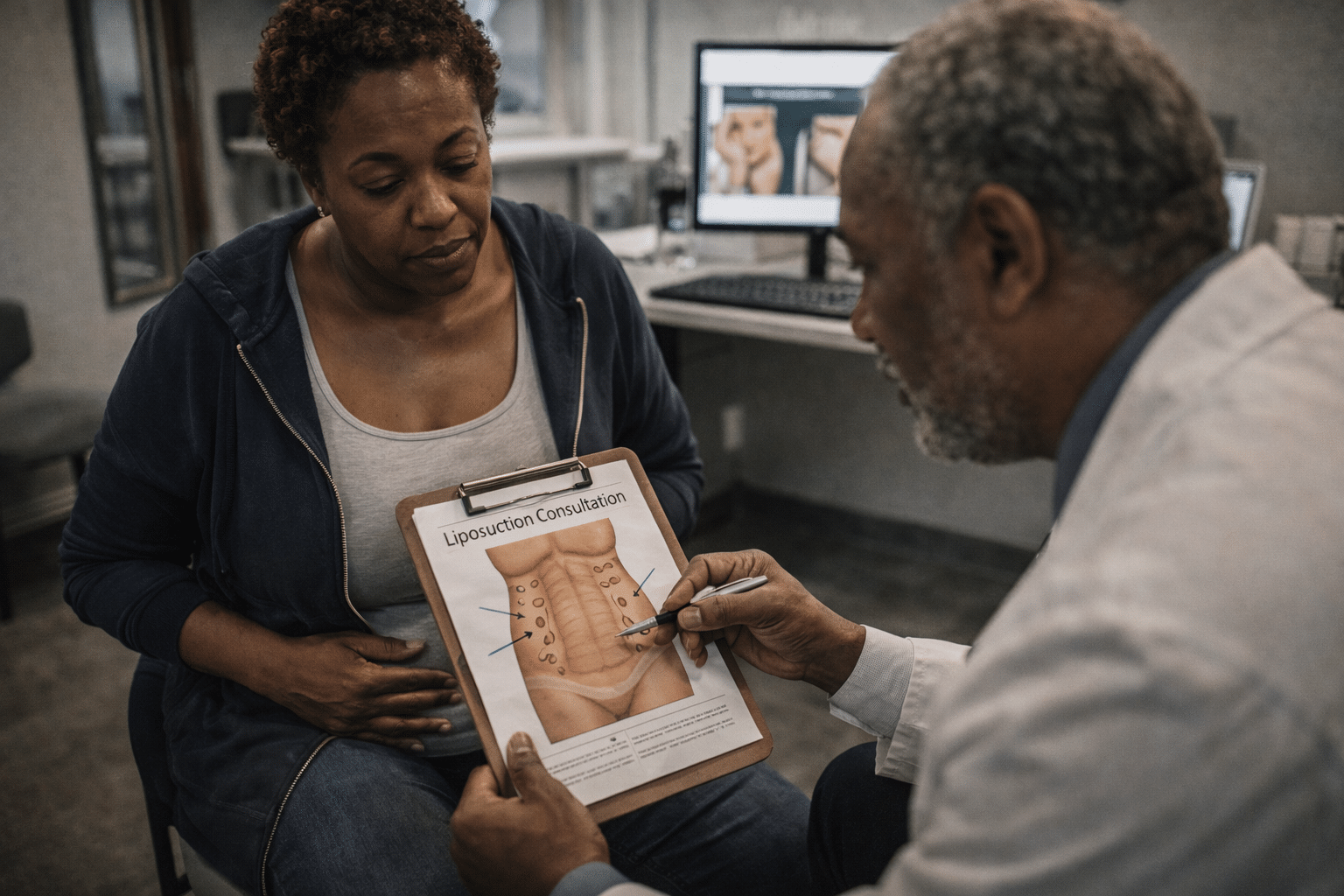
If considering awake liposuction, experts suggest asking:
- Am I a candidate for local anesthesia-based lipo?
- How many awake procedures has the surgeon performed?
- What are my specific risks based on medical history?
- What complications have occurred in this practice?
- What will recovery realistically look like?
- What happens if I experience lidocaine toxicity or another emergency?
A responsible surgeon welcomes questions.
Consumer Protection in Cosmetic Medicine
Cosmetic procedures sit at the intersection of healthcare and aesthetics. That makes informed consent especially important.
Consumers should:
- Avoid high-pressure sales tactics
- Request written pre- and post-operative instructions
- Seek second opinions if uncertain
- Understand refund policies
Trending procedures often create urgency — but surgery decisions should not be rushed. Awake-only liposuction is not a gimmick. It is a legitimate surgical technique that can offer advantages for appropriately selected patients. But it is still surgery.
Avoiding general anesthesia reduces certain risks — it does not eliminate all risks. Social media visibility should not replace a thorough medical consultation. Patients deserve clear information, realistic expectations, and regulated care environments. In cosmetic medicine, transparency is the best enhancement.